Seasonal Foraging Guide
Wild greens, berries, fruit, nuts and mushrooms month by month — where they grow, how to use them, and the look-alikes to watch for.
Best foraging near you right now
What’s in season this month and actually being found within about 50 miles of you.
Your location is rounded to about 7 miles and never saved on our site.
Sightings from iNaturalist research-grade observations. Photos © their photographers via iNaturalist, used under Creative Commons licenses.
Season calendar
| Wild food | Jan | Feb | Mar | Apr | May | Jun | Jul | Aug | Sep | Oct | Nov | Dec | |
|---|---|---|---|---|---|---|---|---|---|---|---|---|---|
| Ramps (wild leeks) | |||||||||||||
| Wild onion & wild garlic | |||||||||||||
| Dandelion | |||||||||||||
| Stinging nettle | |||||||||||||
| Lamb’s quarters | |||||||||||||
| Purslane | |||||||||||||
| Chickweed | |||||||||||||
| Wild violets | |||||||||||||
| Fiddleheads (ostrich fern) | |||||||||||||
| Cattail shoots | |||||||||||||
| Wild asparagus |
Typical seasons for the eastern and central United States. Farther south things come in earlier; farther north and higher up, later.
What to look for
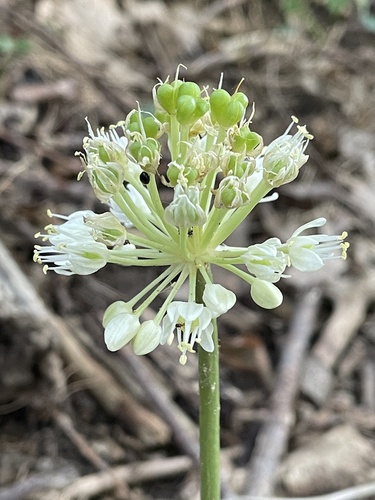
Greens & shoots · March–May
Ramps (wild leeks)
Allium tricoccum
Where: Rich, moist hardwood forests in the East and Midwest.
Look-alikes & cautions: Lily of the valley and false hellebore are poisonous look-alikes — a crushed ramp leaf smells strongly of onion and garlic. Take one leaf per plant and leave the bulb; ramps grow back very slowly.
Use: Fresh, pickled, frozen or dried
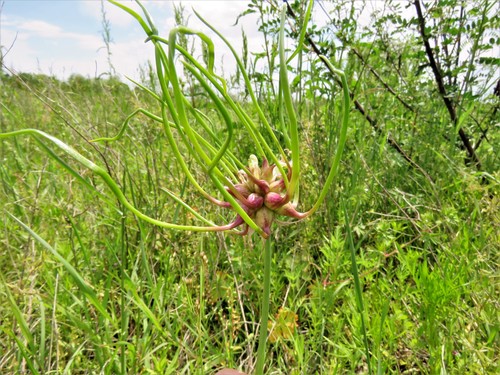
Greens & shoots · March–May
Wild onion & wild garlic
Allium canadense
Where: Lawns, fields and open woods in early spring.
Look-alikes & cautions: Death camas looks similar and is deadly but has no onion smell. If it doesn’t smell like onion, don’t eat it.
Use: Use like chives or garlic
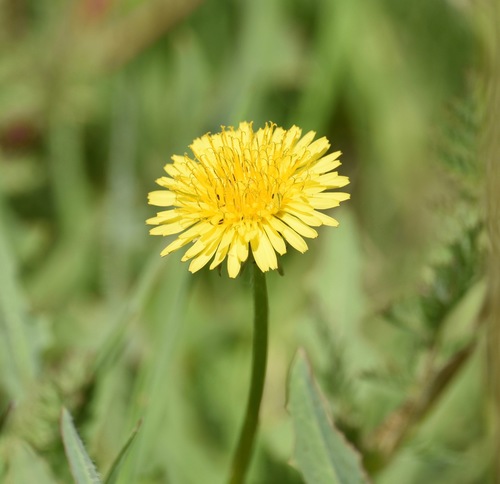
Greens & shoots · March–October
Dandelion
Taraxacum
Where: Lawns, fields and roadsides — pick where nothing has been sprayed.
Look-alikes & cautions: True dandelion has one flower on a hollow, leafless stem and toothed, hairless leaves. Look-alikes such as cat’s-ear and chicory are also edible.
Use: Young greens, flowers and roots
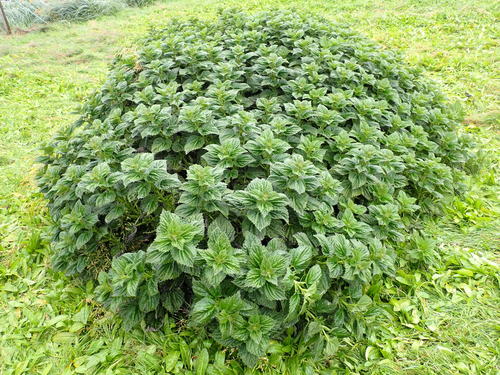
Greens & shoots · March–June
Stinging nettle
Urtica dioica
Where: Moist, rich soil along streams and woods edges.
Look-alikes & cautions: Wear gloves. Cooking, blanching or drying removes the sting. Pick the top 4–6 leaves before the plant flowers.
Use: Cooked greens, soup and tea
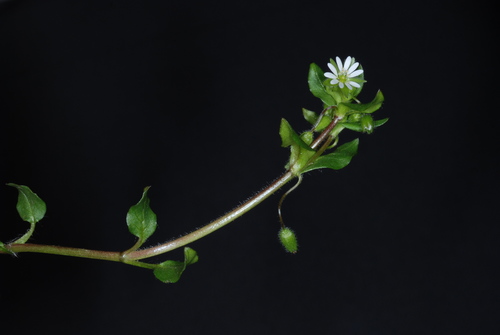
Greens & shoots · March–May, September–November
Chickweed
Stellaria media
Where: Lawns and garden beds in cool weather.
Look-alikes & cautions: Scarlet pimpernel (toxic) looks similar but has orange-red flowers and square stems. Chickweed has white star flowers and a single line of hairs along the stem.
Use: Fresh in salads
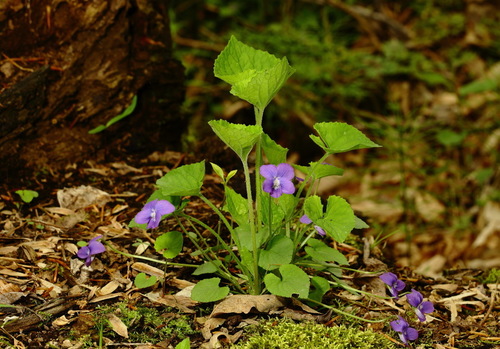
Greens & shoots · March–May
Wild violets
Viola sororia
Where: Lawns, shady yards and open woods.
Look-alikes & cautions: Common blue violet leaves and flowers are edible. African violets (houseplants) are not true violets and are not eaten.
Use: Salads, syrup, jelly and tea
Learn With Others
The best way to learn wild foods is alongside someone who knows them. Ask for identification help in the Foraging group — post clear photos of every part of the plant or mushroom — and never eat anything on an online ID alone.