Seasonal Foraging Guide
Wild greens, berries, fruit, nuts and mushrooms month by month — where they grow, how to use them, and the look-alikes to watch for.
Best foraging near you right now
What’s in season this month and actually being found within about 50 miles of you.
Your location is rounded to about 7 miles and never saved on our site.
Sightings from iNaturalist research-grade observations. Photos © their photographers via iNaturalist, used under Creative Commons licenses.
Season calendar
| Wild food | Jan | Feb | Mar | Apr | May | Jun | Jul | Aug | Sep | Oct | Nov | Dec | |
|---|---|---|---|---|---|---|---|---|---|---|---|---|---|
| Maple sap |
Typical seasons for the eastern and central United States. Farther south things come in earlier; farther north and higher up, later.
What to look for
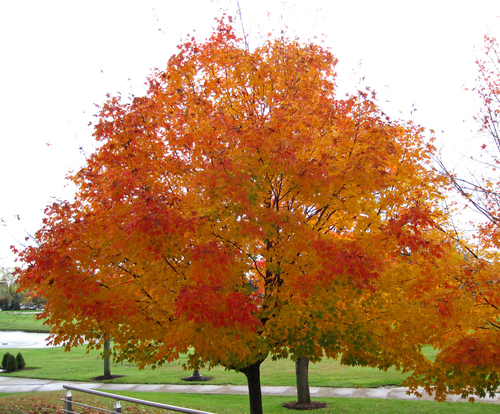
Other · February–March
Maple sap
Acer saccharum
Where: Sugar, black and red maples at least 10 inches across.
Look-alikes & cautions: Tap when days are above freezing and nights below. About 40 gallons of sugar maple sap boil down to 1 gallon of syrup.
Use: Syrup
Learn With Others
The best way to learn wild foods is alongside someone who knows them. Ask for identification help in the Foraging group — post clear photos of every part of the plant or mushroom — and never eat anything on an online ID alone.