Seasonal Foraging Guide
Wild greens, berries, fruit, nuts and mushrooms month by month — where they grow, how to use them, and the look-alikes to watch for.
Best foraging near you right now
What’s in season this month and actually being found within about 50 miles of you.
Your location is rounded to about 7 miles and never saved on our site.
Sightings from iNaturalist research-grade observations. Photos © their photographers via iNaturalist, used under Creative Commons licenses.
Season calendar
| Wild food | Jan | Feb | Mar | Apr | May | Jun | Jul | Aug | Sep | Oct | Nov | Dec | |
|---|---|---|---|---|---|---|---|---|---|---|---|---|---|
| Wild strawberries | |||||||||||||
| Mulberries | |||||||||||||
| Blackberries & dewberries | |||||||||||||
| Black raspberries | |||||||||||||
| Wild blueberries & huckleberries | |||||||||||||
| Elderberries |
Typical seasons for the eastern and central United States. Farther south things come in earlier; farther north and higher up, later.
What to look for
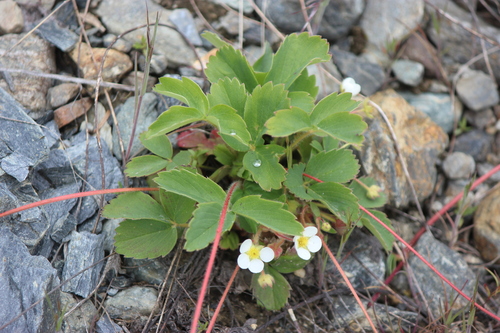
Berries · May–June
Wild strawberries
Fragaria virginiana
Where: Sunny fields, meadows and woods edges.
Look-alikes & cautions: Mock strawberry has yellow flowers and bland fruit (not harmful). True wild strawberries have white flowers.
Use: Fresh, jam or frozen
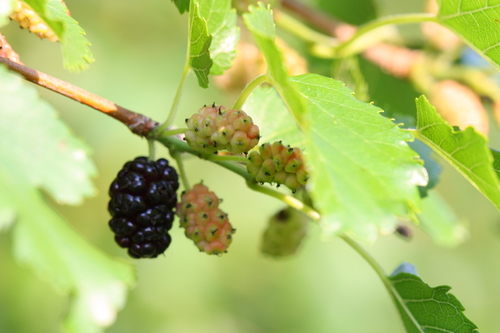
Berries · May–July
Mulberries
Morus
Where: Yard trees, fencerows and woods edges.
Look-alikes & cautions: Unripe berries and leaves can upset the stomach — eat only fully ripe fruit.
Use: Fresh, pies, jam, frozen or dried
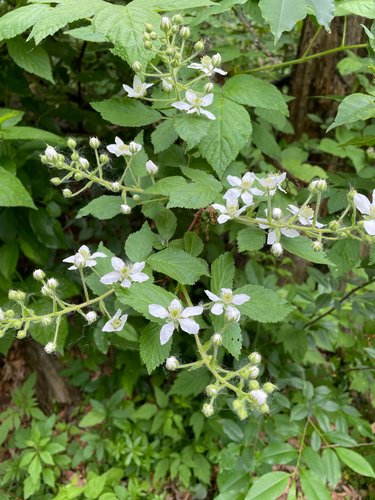
Berries · June–August
Blackberries & dewberries
Rubus allegheniensis
Where: Thickets, old fields and fencerows.
Look-alikes & cautions: Aggregate berries like these have few dangerous look-alikes. Watch for thorns, ticks and snakes.
Use: Fresh, jam, canned or frozen
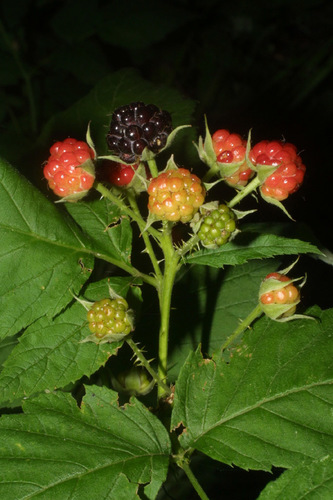
Berries · June–July
Black raspberries
Rubus occidentalis
Where: Woods edges and fencerows.
Look-alikes & cautions: Black raspberries come off the core hollow, like a thimble; blackberries keep their core.
Use: Fresh, jam or frozen
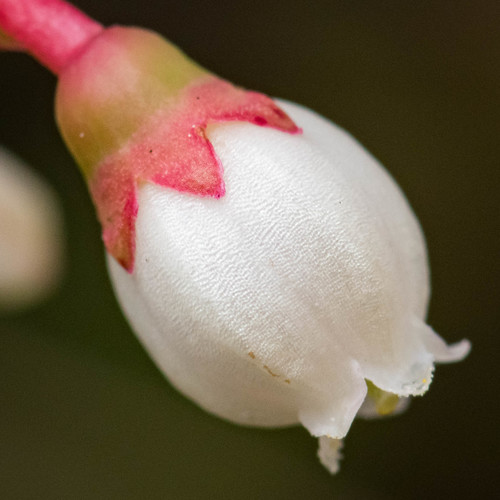
Berries · July–August
Wild blueberries & huckleberries
Vaccinium
Where: Acid soils — pine barrens, hills and mountain balds.
Look-alikes & cautions: Look for the 5-pointed crown on the end of each berry. Avoid berries in clusters with star-shaped flowers (nightshades).
Use: Fresh, canned, frozen or dried
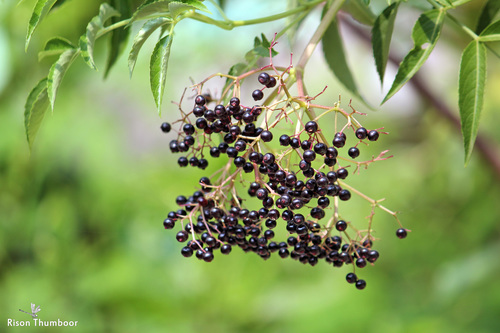
Berries · August–September
Elderberries
Sambucus canadensis
Where: Wet ground, ditches and fencerows; creamy flower heads in June.
Look-alikes & cautions: Raw berries, stems, leaves and unripe fruit are toxic — cook ripe berries and remove every stem. Water hemlock (deadly) and pokeweed grow in the same places; elder is a woody shrub with opposite, compound leaves.
Use: Cooked syrup, jelly and pies
Learn With Others
The best way to learn wild foods is alongside someone who knows them. Ask for identification help in the Foraging group — post clear photos of every part of the plant or mushroom — and never eat anything on an online ID alone.