Seasonal Foraging Guide
Wild greens, berries, fruit, nuts and mushrooms month by month — where they grow, how to use them, and the look-alikes to watch for.
Best foraging near you right now
What’s in season this month and actually being found within about 50 miles of you.
Your location is rounded to about 7 miles and never saved on our site.
Sightings from iNaturalist research-grade observations. Photos © their photographers via iNaturalist, used under Creative Commons licenses.
Season calendar
Typical seasons for the eastern and central United States. Farther south things come in earlier; farther north and higher up, later.
What to look for
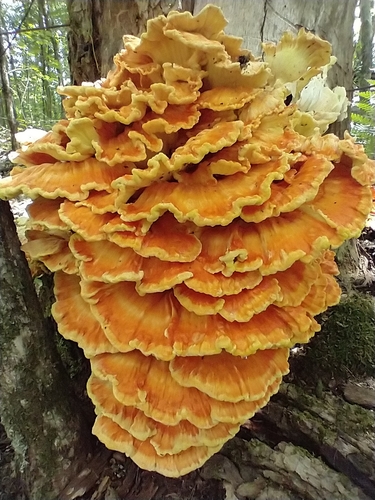
Mushrooms · June–October
Chicken of the woods
Laetiporus
Where: Bright orange-yellow shelves on living or dead oaks and other hardwoods.
Look-alikes & cautions: Cook thoroughly. Some people react, especially to ones growing on conifers, eucalyptus or locust — try a small amount first. Pick the tender outer edges.
Use: Cook like chicken; freeze after cooking
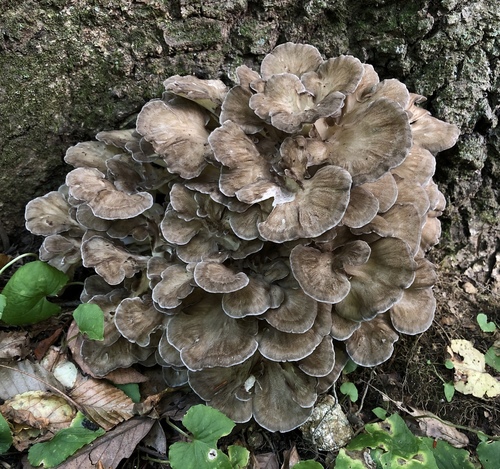
Mushrooms · September–October
Hen of the woods (maitake)
Grifola frondosa
Where: Clusters at the base of oak trees in early fall, often the same tree every year.
Look-alikes & cautions: Check the underside has tiny pores, not gills. The black-staining polypore looks similar and is edible but tough.
Use: Roast, sauté, dry or freeze
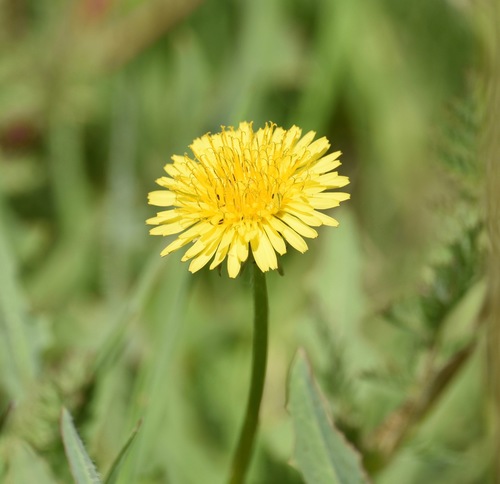
Greens & shoots · March–October
Dandelion
Taraxacum
Where: Lawns, fields and roadsides — pick where nothing has been sprayed.
Look-alikes & cautions: True dandelion has one flower on a hollow, leafless stem and toothed, hairless leaves. Look-alikes such as cat’s-ear and chicory are also edible.
Use: Young greens, flowers and roots
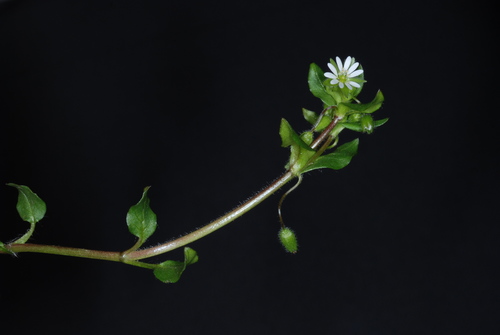
Greens & shoots · March–May, September–November
Chickweed
Stellaria media
Where: Lawns and garden beds in cool weather.
Look-alikes & cautions: Scarlet pimpernel (toxic) looks similar but has orange-red flowers and square stems. Chickweed has white star flowers and a single line of hairs along the stem.
Use: Fresh in salads
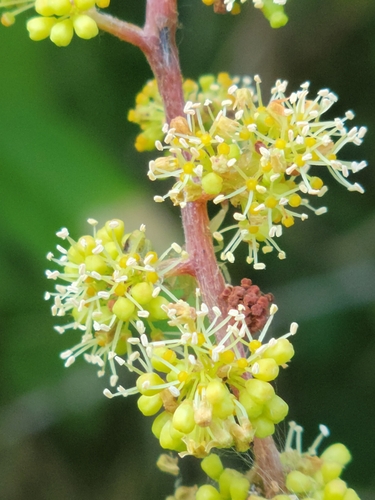
Fruit · August–October
Wild grapes & muscadines
Vitis
Where: Climbing over trees and fences along woods edges.
Look-alikes & cautions: Canada moonseed is poisonous: it has one crescent-shaped seed per fruit and no forked tendrils. Wild grapes have pear-shaped seeds and forked tendrils.
Use: Juice, jelly and wine
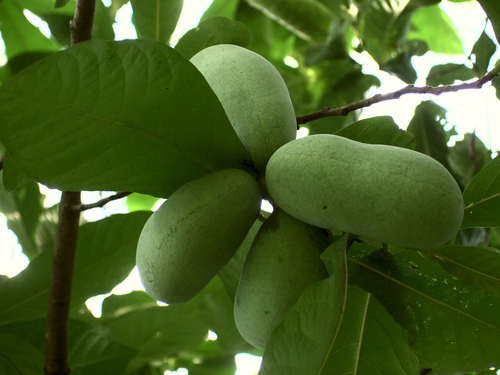
Fruit · August–October
Pawpaws
Asimina triloba
Where: River bottoms and shady understory in the East and Midwest.
Look-alikes & cautions: Eat only the ripe pulp — skin and seeds are not eaten. A few people get an upset stomach.
Use: Fresh or frozen pulp
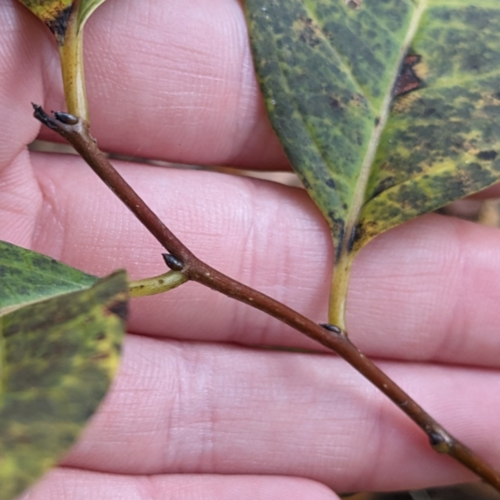
Fruit · September–November
Wild persimmons
Diospyros virginiana
Where: Old fields and woods edges in the South and Midwest.
Look-alikes & cautions: Eat only when soft and fully ripe — unripe fruit is painfully astringent.
Use: Pulp for breads and puddings
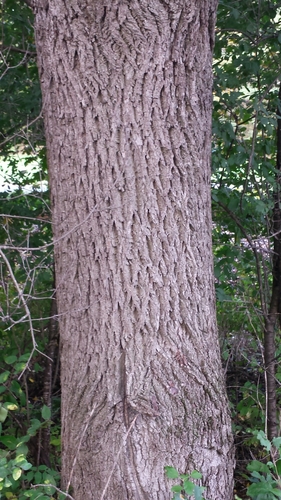
Nuts · September–October
Black walnuts
Juglans nigra
Where: Fields, fencerows and river bottoms.
Look-alikes & cautions: Wear gloves — the husks stain. Hull, wash and cure nuts 2–3 weeks in a dry, airy spot before cracking.
Use: Baking and candy
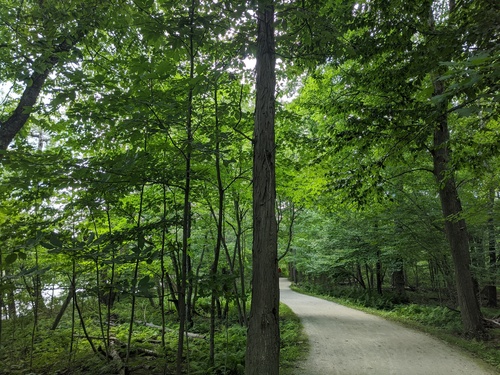
Nuts · September–October
Hickory nuts
Carya ovata
Where: Upland hardwood forests (shagbark and shellbark are best).
Look-alikes & cautions: Bitternut hickory is too bitter to eat. Cure before cracking.
Use: Baking
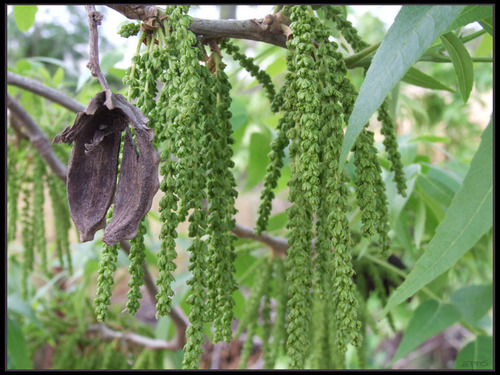
Nuts · October–November
Wild pecans
Carya illinoinensis
Where: River bottoms in the South and lower Midwest.
Look-alikes & cautions: Gather soon after they fall, before squirrels do.
Use: Baking and snacking
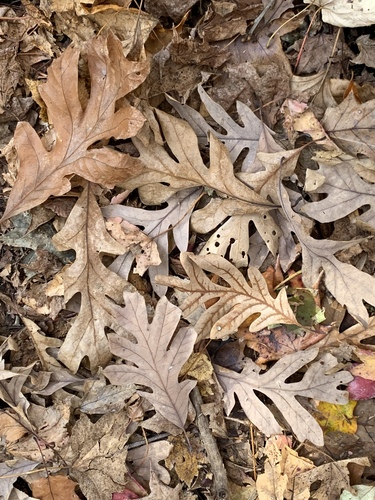
Nuts · September–November
Acorns
Quercus alba
Where: Under oaks — white oak acorns are the least bitter.
Look-alikes & cautions: All acorns must be leached of tannins (soaked through many changes of water) before eating. Discard ones with holes.
Use: Leached flour and meal
Learn With Others
The best way to learn wild foods is alongside someone who knows them. Ask for identification help in the Foraging group — post clear photos of every part of the plant or mushroom — and never eat anything on an online ID alone.