Seasonal Foraging Guide
Wild greens, berries, fruit, nuts and mushrooms month by month — where they grow, how to use them, and the look-alikes to watch for.
Best foraging near you right now
What’s in season this month and actually being found within about 50 miles of you.
Your location is rounded to about 7 miles and never saved on our site.
Sightings from iNaturalist research-grade observations. Photos © their photographers via iNaturalist, used under Creative Commons licenses.
Season calendar
Typical seasons for the eastern and central United States. Farther south things come in earlier; farther north and higher up, later.
What to look for
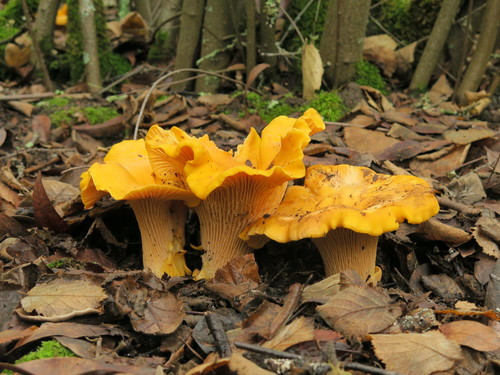
Mushrooms · June–September
Chanterelles
Cantharellus
Where: Hardwood forests (oak, beech) on the ground after summer rains.
Look-alikes & cautions: Jack-o’-lantern mushrooms are poisonous: they grow in clusters on wood and have sharp, true gills. Chanterelles grow singly from soil with blunt, forked ridges and pale, stringy flesh inside.
Use: Sauté; freeze after cooking
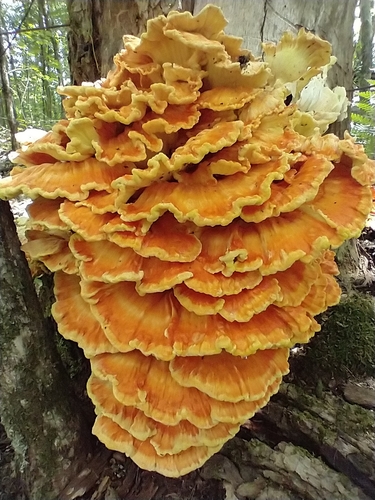
Mushrooms · June–October
Chicken of the woods
Laetiporus
Where: Bright orange-yellow shelves on living or dead oaks and other hardwoods.
Look-alikes & cautions: Cook thoroughly. Some people react, especially to ones growing on conifers, eucalyptus or locust — try a small amount first. Pick the tender outer edges.
Use: Cook like chicken; freeze after cooking
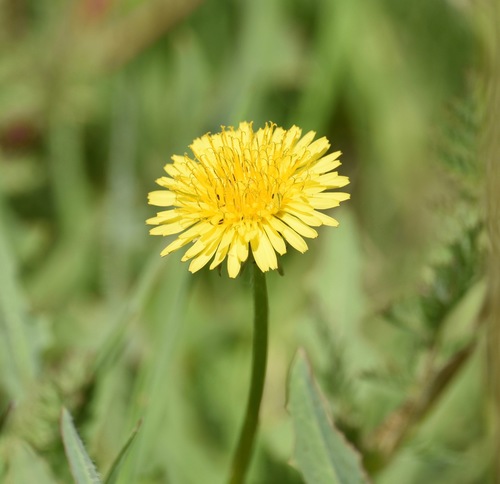
Greens & shoots · March–October
Dandelion
Taraxacum
Where: Lawns, fields and roadsides — pick where nothing has been sprayed.
Look-alikes & cautions: True dandelion has one flower on a hollow, leafless stem and toothed, hairless leaves. Look-alikes such as cat’s-ear and chicory are also edible.
Use: Young greens, flowers and roots
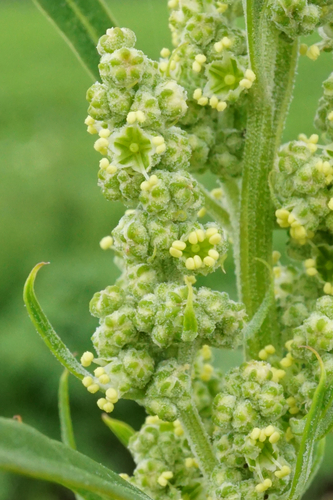
Greens & shoots · May–September
Lamb’s quarters
Chenopodium album
Where: Gardens, barnyards and disturbed ground.
Look-alikes & cautions: Young leaves have a white, mealy coating underneath. Like spinach it is high in oxalates — eat cooked and in moderation.
Use: Cook like spinach
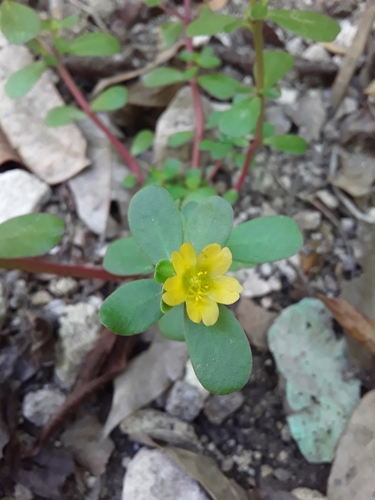
Greens & shoots · June–September
Purslane
Portulaca oleracea
Where: Gardens, sidewalk cracks and hot, sunny ground.
Look-alikes & cautions: Spotted spurge looks similar but is toxic: it has milky white sap and thin, wiry stems. Purslane has thick, juicy stems and clear sap.
Use: Fresh in salads or pickled
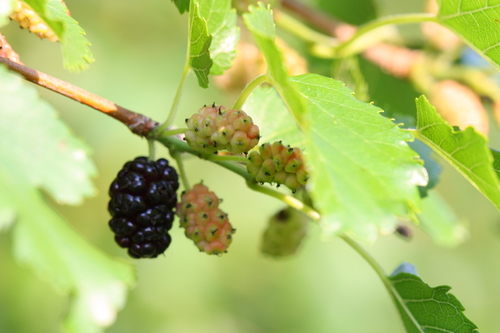
Berries · May–July
Mulberries
Morus
Where: Yard trees, fencerows and woods edges.
Look-alikes & cautions: Unripe berries and leaves can upset the stomach — eat only fully ripe fruit.
Use: Fresh, pies, jam, frozen or dried
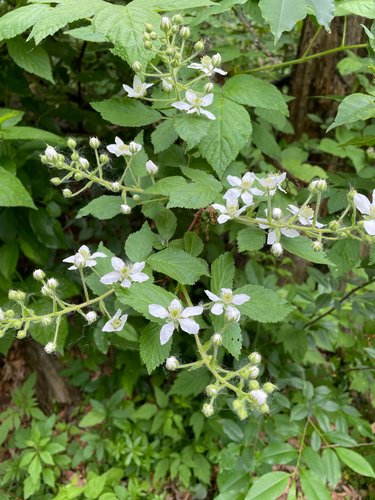
Berries · June–August
Blackberries & dewberries
Rubus allegheniensis
Where: Thickets, old fields and fencerows.
Look-alikes & cautions: Aggregate berries like these have few dangerous look-alikes. Watch for thorns, ticks and snakes.
Use: Fresh, jam, canned or frozen
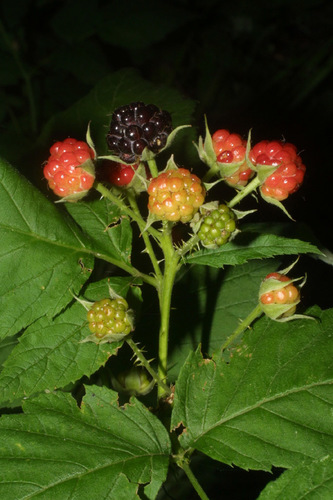
Berries · June–July
Black raspberries
Rubus occidentalis
Where: Woods edges and fencerows.
Look-alikes & cautions: Black raspberries come off the core hollow, like a thimble; blackberries keep their core.
Use: Fresh, jam or frozen
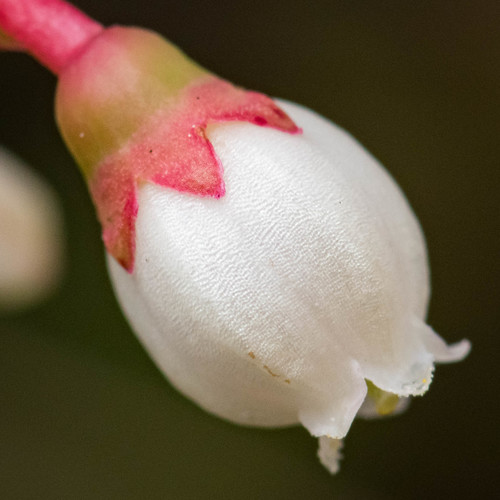
Berries · July–August
Wild blueberries & huckleberries
Vaccinium
Where: Acid soils — pine barrens, hills and mountain balds.
Look-alikes & cautions: Look for the 5-pointed crown on the end of each berry. Avoid berries in clusters with star-shaped flowers (nightshades).
Use: Fresh, canned, frozen or dried
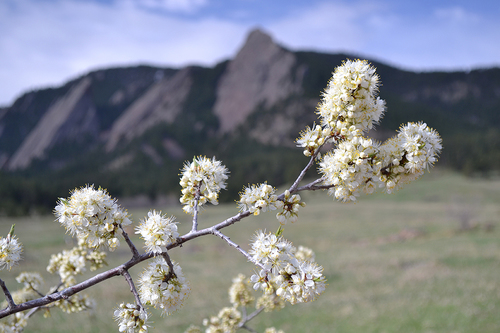
Fruit · July–September
Wild plums
Prunus americana
Where: Thickets along fencerows and field edges.
Look-alikes & cautions: Don’t eat the pits — they contain cyanide-forming compounds.
Use: Jam, canned or dried
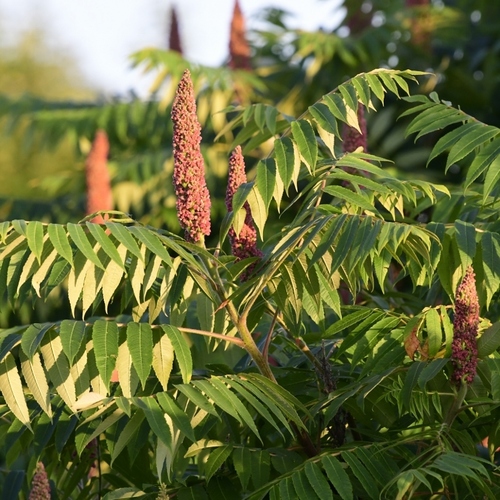
Fruit · July–September
Staghorn & smooth sumac
Rhus
Where: Fields and roadsides — red, fuzzy, upright berry clusters.
Look-alikes & cautions: Poison sumac has white, drooping berries and grows in swamps — avoid it. Anyone allergic to cashews or mangoes should skip sumac.
Use: Lemony tea and spice
Learn With Others
The best way to learn wild foods is alongside someone who knows them. Ask for identification help in the Foraging group — post clear photos of every part of the plant or mushroom — and never eat anything on an online ID alone.